
Quick Suppression System
Fire Suppression in Seconds
Quick suppression system is designed to detect and extinguish flames at the earliest stage of a fire outbreak. It protects critical machinery and high-risk open areas by combining high-performance flame detectors with a low-pressure water mist suppression system – responding fast enough to stop a fire before it can spread or cause serious damage.
Water Mist Fire Suppression, Rapidly Deployed
Low-pressure water mist suppression system delivers excellent fire suppression performance using only a small amount of water. Total system response time is typically as little as 1–3 seconds, with even faster response achievable for specialized applications.

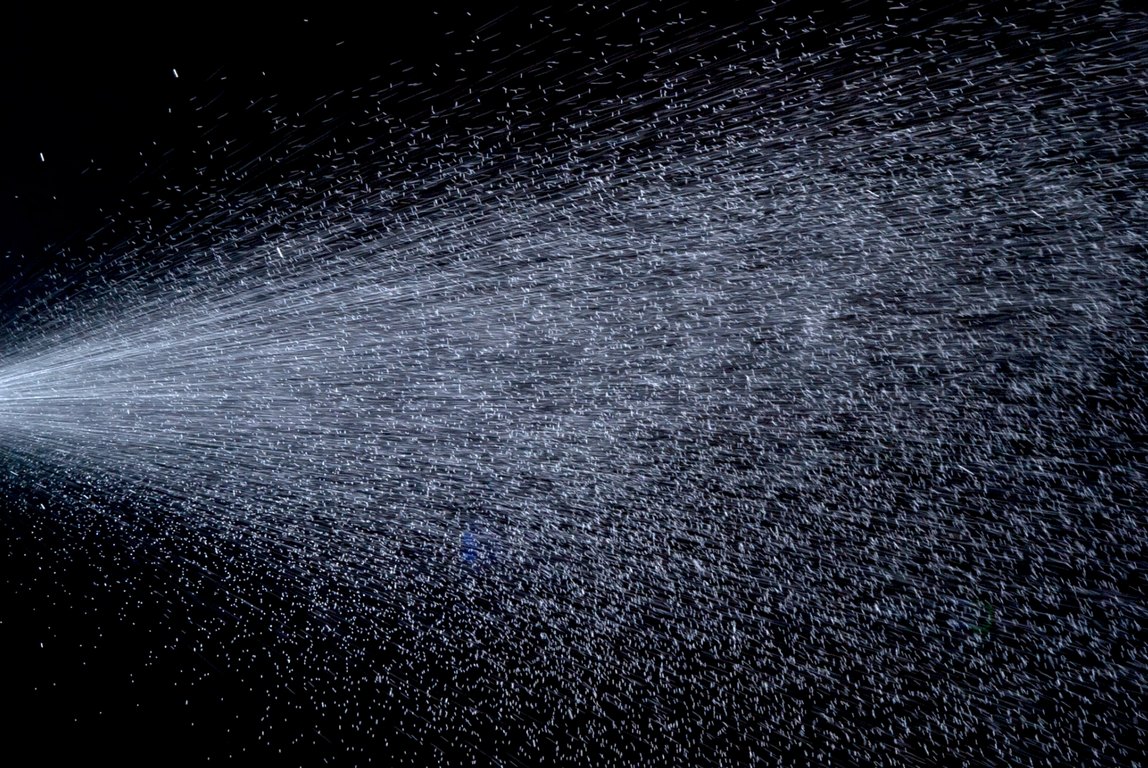
Why water mist outperforms traditional suppression methods:
- Minimal water damage – uses significantly less water than traditional sprinkler systems, reducing the risk of damage to equipment, electronics, and materials.
- Environmentally friendly – clean water only, no chemical additives, safe for people and the environment.
- Effective across fire classes – suppresses Class A (solid materials), Class B (flammable liquids), and some electrical fires; fine droplets cool flames and reduce oxygen concentration for faster suppression.
- Enhanced safety – quickly lowers temperature and reduces re-ignition risk, while remaining safe for people who may still be in the area.
- Reduced downtime – less water and less collateral damage mean facilities recover and restart faster after an incident.
Quick Suppression System vs. Other Fire Suppression Methods
Choosing the right fire suppression method depends on the specific risk profile of the asset being protected – how much water damage is acceptable, how fast the fire needs to be stopped, and whether the space is enclosed or open. The table below compares a quick suppression system against traditional sprinklers and chemical suppression to help identify which approach best fits your application.
| Method | Water Usage | Damage Risk | Best Suited For |
|---|---|---|---|
| Quick suppression system (water mist) | Low | Minimal | Critical machinery, electronics, high-value assets |
| Traditional sprinklers | High | Higher — water damage to equipment and materials | General building fire protection |
| Chemical suppression (clean agents, foam) | None (chemical-based) | Residue, cleanup required | Enclosed spaces where water isn't viable |

Protection for Critical Machinery and Open Areas
A quick suppression system is used to protect critical machinery – such as tissue and converting lines, IR dryers in paper machines, woodworking machinery, shredders, conveyors, transformers, and turbines – as well as open spaces like loading and unloading areas. In short: any open area with an elevated fire risk, or where a fire could have serious business impact, is a candidate for this type of protection.
Examples of applications:
Tested and Approved for Rapid Fire Suppression
Quick suppression system is one of the fastest ways to target a fire outbreak in an open area, and was the first system of its kind in the world to be tested for third-party approval. Testing was carried out by DFL, an ISO/IEC 17025-certified test facility.

FAQ:
What is a quick suppression system?
A quick suppression system is a fire protection technology designed to detect and extinguish flames at the earliest stage of a fire outbreak, using flame detectors paired with a low-pressure water mist system.
How fast does a quick suppression system respond?
Total response time is typically as short as 1–3 seconds, with faster response times available for specialized applications.
How does water mist fire suppression work?
Water mist deploys fine water droplets that cool flames and reduce oxygen concentration around the fire, achieving suppression with far less water than a traditional sprinkler system.
Is a water mist suppression system safe for occupied spaces?
Yes. It uses only clean water with no chemical additives, and quickly lowers temperature without introducing harmful residues, making it safe for people who may still be present.
What types of fires can a water mist system handle?
Water mist is effective on Class A (solid combustibles like wood and paper), Class B (flammable liquids), and some electrical fires.
How does a quick suppression system reduce downtime?
Because it uses less water and causes minimal collateral damage compared to sprinklers, facilities can recover and resume operations faster after an incident.
What industrial applications is a quick suppression system suitable for?
Critical machinery such as tissue and converting lines, paper machine IR dryers, woodworking equipment, shredders, conveyors, transformers, and turbines, as well as open areas like loading and unloading zones.
Has this quick suppression system been tested and certified?
Yes – it was the first quick suppression system in the world to receive third-party approval, tested by DFL, an ISO/IEC 17025-certified facility.